By Cde Bekezela Mkonto KaMthwakazi
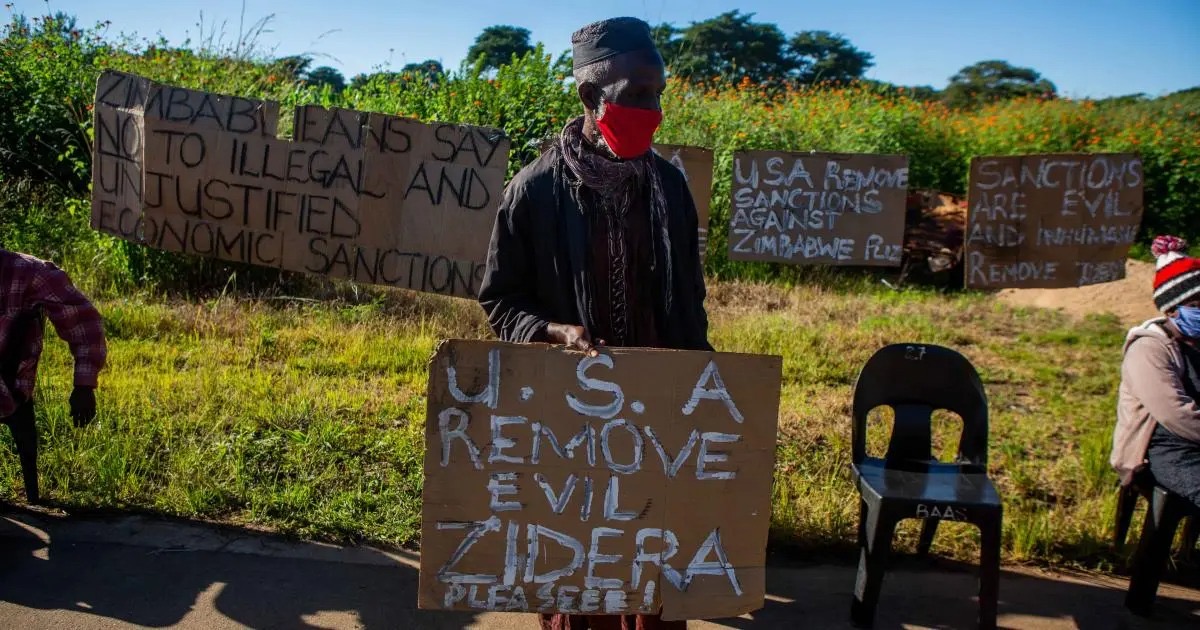
Once again, the United States has graced Zimbabwe with a generous offer, economic liberation… with conditions.
The latest Congressional Bill to repeal the Zimbabwe Democracy and Economic Recovery Act (ZDERA) comes wrapped in a shiny bow labeled: “Pay Former White Farmers First.”
True Patriots, apparently Zimbabwe can access international credit, escape decades of financial straitjacketing, and finally breathe—but only after coughing up hard currency to compensate the descendants of colonial-era landowners under the 2020 Global Compensation Deed.
Twelve months, cash and no questions asked.
Meanwhile, Zimbabweans still waiting for redress for historical injustices, from Gukurahundi massacres to centuries of land dispossession, are politely asked to queue.
The moral contortions required here could win Olympic gold.
The US is essentially saying: “We believe in historical justice—just not for the historically dispossessed.” It’s a masterclass in selective benevolence.
Colonial-era theft gets prioritized. Indigenous suffering in the other hand is optional.
The logic, if it can be called that, is even more curious in light of Zimbabwe’s post-independence land reform.
After centuries of colonial exclusion, a tiny white minority controlled most of the fertile land while Black Zimbabweans were confined to overcrowded communal reserves.
“Willing buyer, willing seller” schemes flopped.
Fast-track land reform was messy, yes, but it corrected glaring inequities.
And now, the country is being told to reward those who historically profited from stolen land—while children in rural Zimbabwe still lack schools and clinics.
Legally, the US demand also trips over its own shoelaces.
Zimbabwe’s constitution guarantees compensation for improvements on expropriated land, not the land itself—except where specific agreements exist.
Fast-track reforms, chaotic as they were, fulfilled these obligations.
Yet Washington’s narrative treats history as a checklist for foreign policy convenience: pay white farmers, ignore everyone else.
The economic consequences are equally alarming.
Hard-currency payments to former landowners would drain reserves, hamstring essential services, and hobble an already fragile economy.
Hospitals, schools, and roads risk being sacrificed at the altar of selective historical redress.
Meanwhile, the US posture of moral oversight is deliciously ironic.
It demands Zimbabwe reward the beneficiaries of colonial expropriation while the descendants of the dispossessed—victims of both empire and post-independence neglect—wait for crumbs.
Social and economic justice here is clearly a VIP-only affair.
This ZDERA repeal debate exposes a persistent tension: legal formalism versus substantive justice.
Zimbabwe can meet the letter of the law while Washington enforces a version of history that privileges foreign interests over domestic equity.
Independence’s promise—to redress historical injustice—risks being shelved in favor of appeasing selective historical claims.
So, as Zimbabwe considers engaging with the international community, one question looms: who really deserves justice?
The answer may not be found in Congress but in the classrooms, clinics, and farms where ordinary Zimbabweans continue to wait—while the descendants of colonizers cash in.