By Cde Nhamo Taneta
Reserve Bank Governor John Mushayavanhu last week declared that Zimbabwe Gold (ZiG) is better than the United States dollar.
Once hailed as the strongest currency in Africa—first backed by police roadblocks and now backed by an RBZ press statement—ZiG, a currency allegedly backed by gold, is clearly breaking records, if not logic.
What a mighty currency, Cde Mushayavanhu.
Stronger than the US greenback, yet allergic to border posts.
ZiG reigns supreme—strictly within Zimbabwean airspace.
Because of its extreme value, ordinary citizens rarely use ZiG for mundane things like living.
Instead, it survives mainly as loose change in Harare kombis, where conductors treat it like a historical artefact.
In regions such as Matabeleland, Midlands, Masvingo and parts of Manicaland, people stubbornly cling to the “worthless” US dollar and South African rand, shunning the “precious” ZiG as if it were a collector’s item.
ZiG is so valuable that even ZANU PF cabinet ministers and well-fed zvigananda refuse to risk handling it.
They wisely conduct their business in the useless US paper.
Champions of the Second Republic—entrepreneurs like “Son” and Cde Queen Bee—are once again spraying US dollars like confetti, loudly demonstrating ZiG’s quiet superiority.
Even the government itself appears unwilling to transact in ZiG.
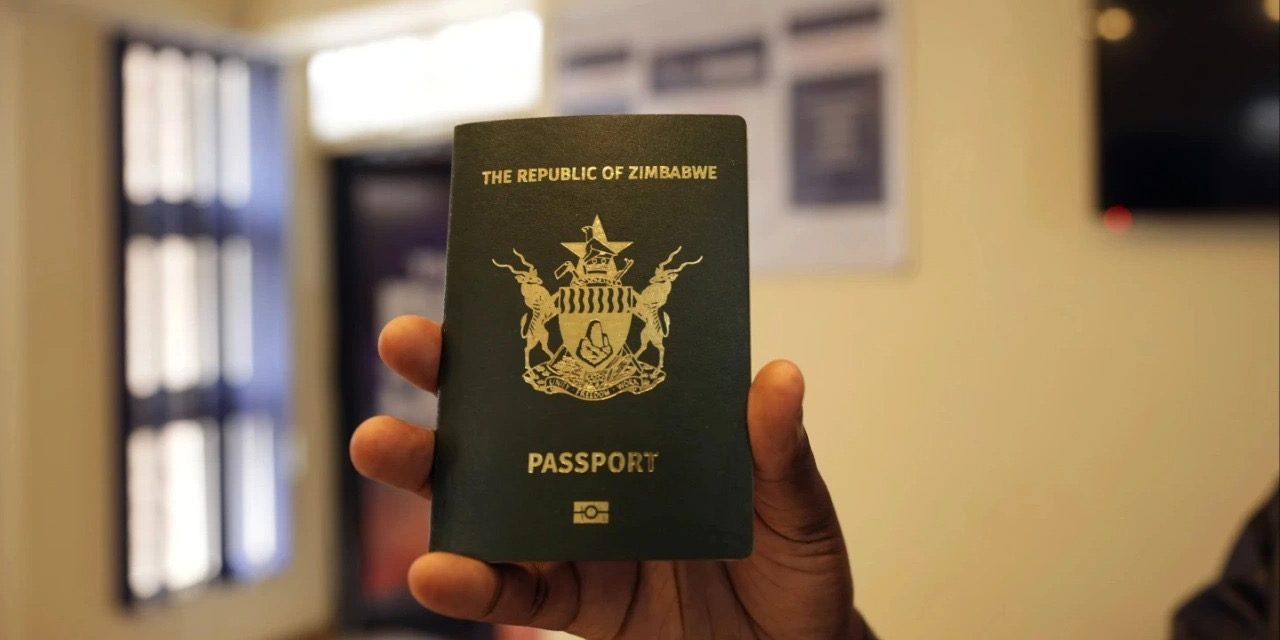
The currency is simply too precious for crude things like paying duty, passports, or other critical public services.
Instead, citizens are encouraged to part with the inferior US dollar for these payments, while the strong, gold-backed ZiG is protected from such indignities.
This explains why President Emmerson Mnangagwa’s “better than heaven” government generously pays civil servants in ZiG, while reserving the useless USD for itself.
Ironically, last week Finance Minister Mthuli Ncube also announced that inflation had dropped to single digits for the first time in 29 years.
Mushayavanhu’s declaration therefore feels timely, another vital contribution to the Second Republic’s march toward an upper-middle-income economy by 2030.