By Cde Sikhosana Bambazonke
If hypocrisy were a sport, Zimbabwe would be on the podium at every international environmental summit.
As we roll out the red carpet in Victoria Falls for COP15—yes, that global wetlands convention—we do so with concrete in our mouths and bulldozers in our backyards.
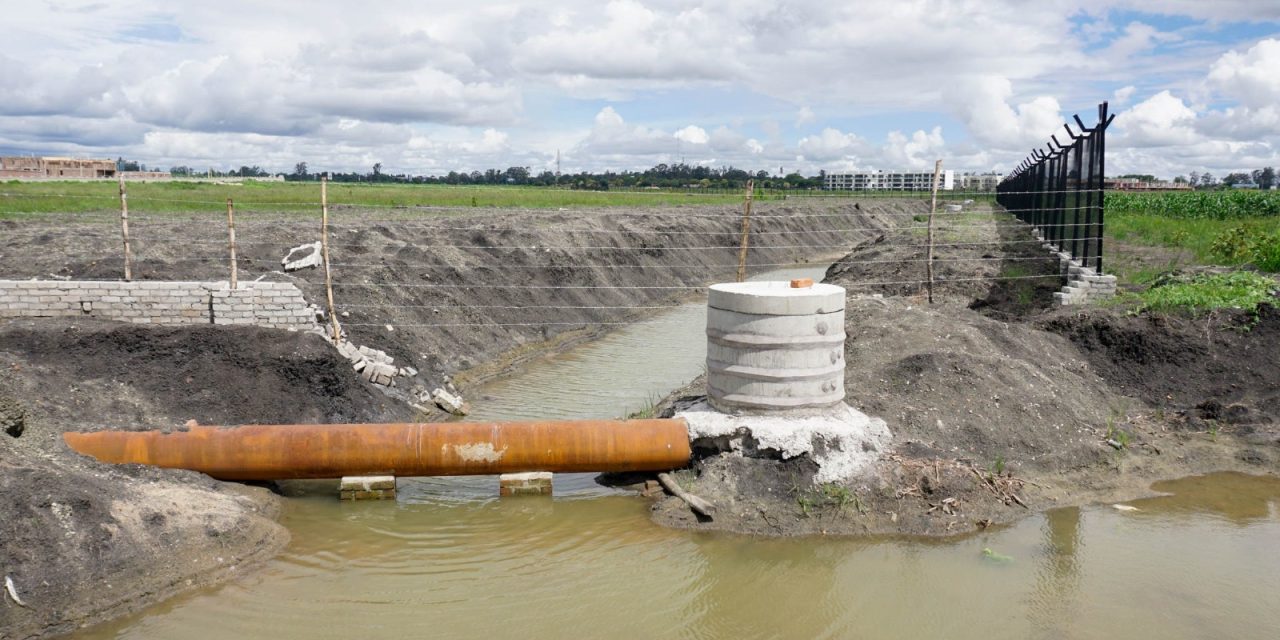
Longcheng Plaza, in Harare is the majestic monument to environmental denial, still sits proudly on a wetland like a flamingo in cement shoes.
Built illegally, praised commercially, and protected politically, Longcheng is the eco-slap Zimbabwe gives itself every morning.
Environmental Management Agency (EMA) called it illegal in 2018. But instead of action, we got a shrug, a Chinese discount, and a few loyalty points with the party.
Now, Parliament is suddenly in a frenzy over wetlands.
Kiven Mutimbanyoka, who seems to have just discovered Google Earth, told the House that Longcheng is “one of the most grueling examples of wetlands destruction.” Bravo, Honourable Member.
It only took 12 years.
Meanwhile, Harare has become a buffet for land barons, who now use “lawfare” to hold the city hostage.
Picture this: someone grabs protected land, slaps up houses, then sues the city for trying to stop them.
Two years later, after enough court appearances to earn a law degree, they get told to move—by which point they’ve installed boreholes, chicken runs, and possibly a church.
City of Harare’s housing director Addmore Nhekairo summed it up: “We’ll be in court for two years, and meanwhile, developments will be taking shape.”
Translation, Justice delayed is wetlands drained.
But fear not—hope is on the horizon!
The Environmental Management Agency (EMA) has received 152 applications to “regularise” developments on wetlands. That’s right. Not remove, not reverse. Regularise.
You see in Zimbabwe, if it’s illegal long enough, it becomes legal.
EMA’s acting director general, Christopher Mushava, says it’s “a positive” that communication has started.
One wonders who exactly EMA has been emailing since 2013. The frogs?
True Patriots to be honest this is not environmental management.
It’s an ecological comedy.
Zimbabwe’s wetlands, which help purify water, store carbon, and protect biodiversity, are now reduced to line items in a land baron’s spreadsheet.
You don’t need an EIA to know that bulldozers and bogs don’t mix.
And yet, we’re hosting a global convention on wetlands. One can only imagine the irony levels reaching toxic peaks in Victoria Falls, as delegates sip cocktails while flipping through pamphlets about “sustainable land use”—freshly printed in a country where swamps now wear shopping malls.
But maybe, just maybe, the international embarrassment will do what EMA, Parliament, and logic have failed to do: shame us into compliance.
Until then, let’s all raise a glass to Zimbabwe’s wetlands. Not to celebrate them—but to remember them, before they’re paved over, one plaza at a time.