By Cde Sikhosana Bambazonke
It never rains but it pours for the Waterfalls-based prophet, who has once again found himself behind bars, this time facing fresh rape charges alongside fraud allegations.
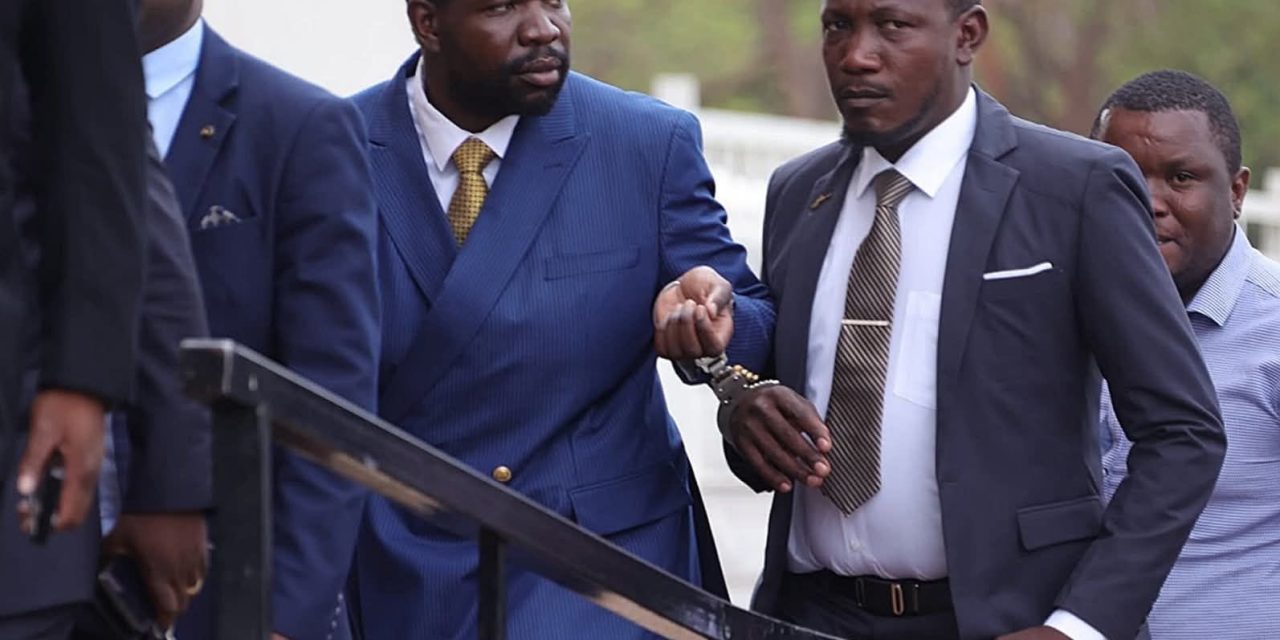
The fresh charges dramatically resurfaced last week, moments after Magaya was arrested outside the Harare Magistrates’ Court following his appearance for another slew of rape allegations.
Magaya, the controversial—if not polarising—clergyman who once claimed to have found a cure for HIV/AIDS that required no scientific evidence but only spiritual belief, was forced to appear at the High Court seeking bail after the Magistrates’ Court declined jurisdiction.
What initially looked like isolated claims are now beginning to resemble a scandal of disturbing, Epstein-like proportions.
What is emerging is not just a case against one man, but allegations pointing to a system allegedly entrenched within the church’s leadership.
If true, this would mean the issue goes beyond Magaya himself, turning what should be a sanctuary into something far more sinister.
The four rape allegations, brought forward by four different women, are strikingly similar in their structure.
Either they point to a troubling pattern of abuse—or, if fabricated, they would require a level of coordination worthy of Hollywood’s most seasoned screenwriters.
The claims suggest a familiar script that the vulnerable women allegedly targeted with promises of employment, stability, or spiritual intervention, only to find themselves trapped in situations they never imagined could exist under the roof of a church.
Magaya disputes the rape allegations but has not entirely denied having multiple sexual relationships with church members.
That position alone raises serious questions about morality, power, and the conduct expected of a religious leader who publicly preaches godly discipline.
Perhaps even more alarming is the response from the PHD Ministries online militia.
A section of the church’s social media defenders has transformed itself into an aggressive digital battalion, openly attacking the alleged victims and branding them agents of the devil.
One prominent cheerleader, Leeroy Yadah, even posted a video warning the public against discussing the case, claiming that vengeful spirits could inflict suffering—or worse—on anyone who dares mention the prophet’s name.
According to this theology, accountability is optional, but fear is mandatory.
With Magaya absent, his son Walter Junior appears to be stepping into the spotlight.
His recent trip to Zambia, where he reportedly distributed pieces of his father’s clothing as healing instruments, suggests the brand remains active.
One can only hope the inheritance stops at the wardrobe.
While the Magaya saga continues to unfold, caution is necessary.
Society must resist the temptation to declare guilt in the court of public opinion—but equally avoid the rush to absolve him simply because he wears a collar.
After all, prophets too are made of flesh and blood, not exemption certificates.