By Cde Honest Vhura Hombe
Harare, the so-called “sunshine city,” now moonlights as the capital of thirst.
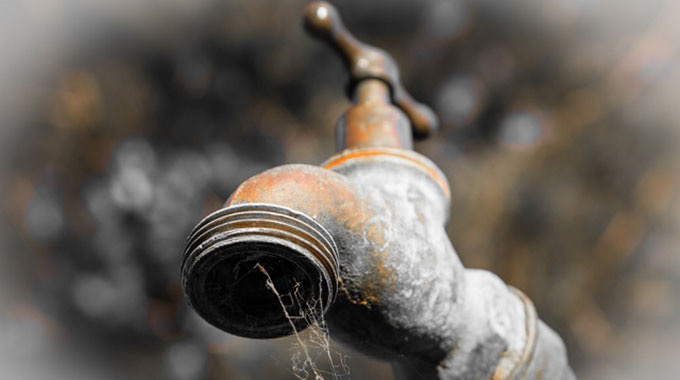
In Mabvuku, taps have become decorative antiques, untouched by running water for more than thirty years.
Three decades.
Entire generations have grown up without ever seeing a working tap in their homes.
Instead, residents draw their lifeline from boreholes that function less like fountains of hope and more like cocktail shakers of E. coli, churning out microbial martinis for the masses.
City of Harare epidemiology and disease control officer Dr Michael Vere last year in January confirmed, half of the boreholes in the western and northern districts—including Budiriro, Highfield, Glen View, and our dear Mabvuku—are contaminated with human waste and E. coli.
So goes the water, so flows the science.
What’s a thirsty Mabvukuite to do?
Enter raised voices of community champions.
Marian of Mabvuku sighed, “A sunshine city without water? It’s a contradiction.”
Clean taps they lack, but world-class swagger cosmetically flaunted on paper is plenty. .
Grace, another Mabvuku mother, added: “Kids must bring two litres to school. Does that even fill a pot? Never mind bathe!”
Her voice echoes through Budiriro and Epworth, where women, unemployed youths and children queue daily at boreholes like gold prospects.
Conversations flit between taunts of “Your bucket, my turn” and actual bucket fights. Borehole stand-offs, as always, become unintended sporting events.
In Budiriro, underground water samples from boreholes sometimes show E. coli, especially during rains—with microbial villains getting boozy in your glass.
Hopley, that fledgling settlement of tarred dreams and unmade roads, drinks from the same tainted cup—especially when City piped water plays hide-and-seek.
Meanwhile, Yucca plants in Epworth must be drafting petitions to the gods for water. Epworth boreholes often taste like lawsuits—a bit bitter, a bit bacterial.
Budiriro children grow up interpreting “clean water” as a myth told by elders.
A Zimbabwean “bush pump” might seem like a miracle, yet even those need chlorination, which is so often misbehaved as to be optional.
Government’s position has been to acknowledge the crisis but slap on temporary fixes.
Dr Vere admitted that they cannot decommission all the contaminated boreholes because people need water, so they are installing inline chlorinators on some of them. It is a bit like putting a Band-Aid on a broken dam.
The council is busy renovating spanners, drafting procurement policies, and calculating how soon a spanner can become policy, while residents continue fetching poisoned water daily.
In the end, Mabvuku still waits for taps that work, Budiriro and Hopley still drink sewage cocktails, and Epworth still gulps down bacteria with every sip.
Across Harare, half the boreholes remain biological danger zones.
So raise your buckets—some fill them with contaminated borehole soup, others queue for trickles, and the rest just stare at their taps wondering when water became a luxury.