
By Cde Sikhosana Bambazonke
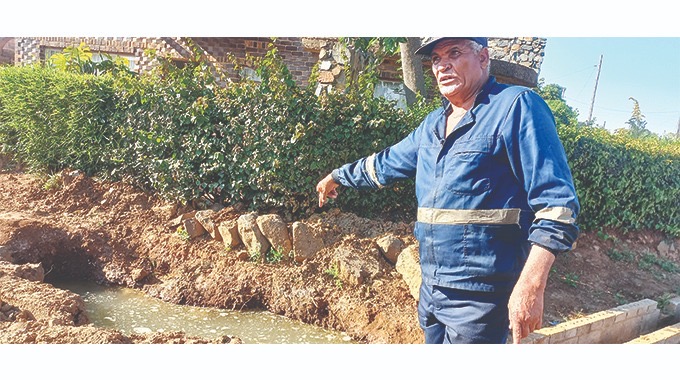
Nkulumane, one of Bulawayo’s largest high-density suburbs, has emerged as the city’s relentless sewer villain, turning daily life into a battle against overflowing drains, stinking pits, and public infrastructure that groans under the weight of neglect.
In a city already struggling with unemployment, drug abuse, and a fraying moral fabric, induced by economic hardships, Nkulumane’s sewage bursts are just another layer of the misery, reminding residents that survival in Bulawayo is never easy.
City officials report between 90 and 120 sewer choke reports every day, and nearly half come screaming from Nkulumane.
The remaining complaints trickle in from neighboring suburbs, quietly hoping they won’t be next in the villain’s crosshairs.
What fuels this environmental mischief, well experts blame old sewer pipes, strained beyond capacity by decades of neglect and rapid population growth.
Residents, dealing with joblessness and the daily grind, sometimes turn toilets into trash bins—out of necessity, not malice.
The problem worsens with Bulawayo’s chronic water shortages.
Running water is available two days a week, leaving households forced to ration every drop—while solid waste stubbornly accumulates in the pipes, creating daily hazards for those already struggling to keep their homes and families safe.
City officials admit the problem is acute, citing an aging fleet of service vehicles, underfunded infrastructure, and residents’ improvised disposal methods.
Yet, August saw 1,940 blockages cleared, reducing the backlog from 823 to 338.
Contractors were brought in to “jet” and “winch” the sewers—a process that locals joke could double as extreme cardio training for stressed city engineers.
Mayor David Coltart promised a new fleet, manpower restructuring, and prioritisation of sewer repair materials.
Still, Nkulumane’s pipes remain stubborn, refusing to cope with the weight of a population struggling to survive, while neighboring suburbs watch nervously as the villain continues its mischief.
Officials have pleaded with residents: don’t flush solid waste.
Locals, ever cheeky, have replied, “Siyakwenza yini, Nkulumane? Sithumele ama-plumber angama-Instagram influencers nje, sizobona ukuthi bayakwazi yini ukwenza i-magic!” (What can we do, Nkulumane? Just send Instagram-famous plumbers, let’s see if they can work magic!)
In Nkulumane, every toilet is a battleground, every flush is a gamble, and every city official quietly wishes they had spent the day solving unemployment or drug abuse instead.
For residents, dodging sewage overflows is just another daily survival skill—one more absurd challenge in a city struggling to protect its people and their dignity.


