
By Cde Nhamo Yaneta
Last week, 17 souls perished in a gruesome collision after a haulage truck collided with a kombi near Manyame River Bridge on the road linking Harare and Chitungwiza.
Their final moments were spent trapped in a metal coffin as bystanders clawed at the wreckage with bare hands.
No emergency services. No cranes. Just the slow, agonizing soundtrack of a failing state.
True Patriots, we interrupt your regular suffering for a national apology and a collective moment of silence, not the performative kind, but the uncomfortable silence that comes when reality slaps louder than the sirens that never came.
In response to this tragic incident the Chitungwiza Municipality, fresh from its opposition-led administration, unveiled a groundbreaking crisis response, “funeral water.”
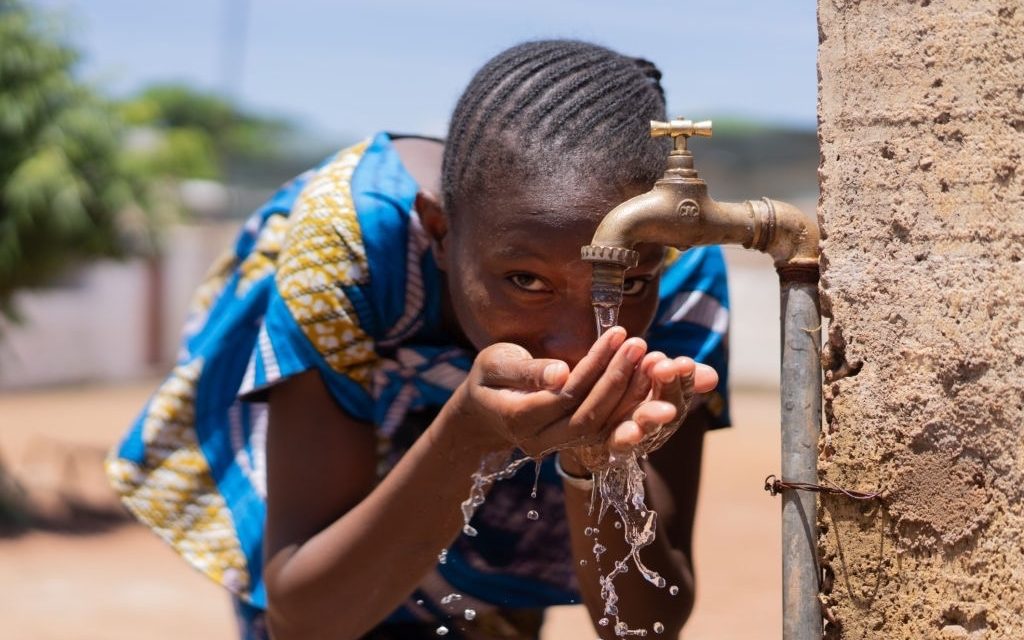
That’s right. After years of dry taps, residents of St. Mary’s and Manyame were granted a two-day water pass—not because they’re taxpayers, not because water is a constitutional right, but because, council believes its basic service is a bereavement package.
“To support funeral arrangements in St. Mary’s and Manyame suburbs, we have dedicated water supply to these areas for two days—July 23 and 24, 2025. This is part of our efforts to ensure communities are able to mourn their loved ones with dignity,” reads the statement.
Ah, dignity! That elusive national export Zimbabweans have been chasing since independence—right next to passports and electricity.
Who knew it could be restored with 48 whole hours of running water?
The scene no doubt became a theatre of suffering, one that exposed just how spectacularly unprepared Zimbabwe is for disasters.
However, if death is met with silence, mourning must now be hydrated, at least, that’s Chitungwiza Municipality’s version of public service.
Residents, accustomed to monthly dry spells, were left wondering if death was now the only qualification for basic services.
The Constitution says water is a basic right.
Chitungwiza Council says it’s a bereavement bonus.
Social media erupted with fury, with many accusing the council of normalising incompetence and mocking grieving families.
After all, nothing says “We care” like treating a human right as a limited-time funeral special.
Municipal officials were quick to explain. They said this was merely a “schedule adjustment” since the city receives only 13 megalitres from Harare.
Translation: we don’t have enough water for the living, but we’ve made room for the mourning.
True Patriots, do you remember the 2022 St. Mary’s by-election, when President Emmerson Mnangagwa heroically commissioned boreholes under the Presidential Borehole Scheme?
Millions vanished, the boreholes died, and Chitungwiza’s thirst remained unquenched.
But hey, at least someone somewhere hydrated their tenderpreneur pockets.
Hahaha, Chitungwiza residents now want the government to build them a dam?
What a radical idea.
Maybe one of our beloved tenderpreneurs, fresh from the Zvigananda School of Overpriced Projects, can draft a proposal.
Better yet, as ZANU PF’s information director Farai Marapira once advised, any citizen can submit a tender bid.
In that case, gogo vari paZengeza 5 might want to start a WhatsApp group and crowdfund that dam before 2028.
Chitungwiza’s water crisis is a microcosm of Zimbabwe’s decay, broken promises, looted funds, and a government that treats survival as a premium package.
If residents want water, they must now schedule their deaths accordingly.
Perhaps the council’s next announcement will be: “To celebrate Independence Day, we will be providing water… exclusively to war veterans residing in Chitungwiza.”
After all, in Zimbabwe, you only get what you deserve when you’re no longer around to enjoy it.


