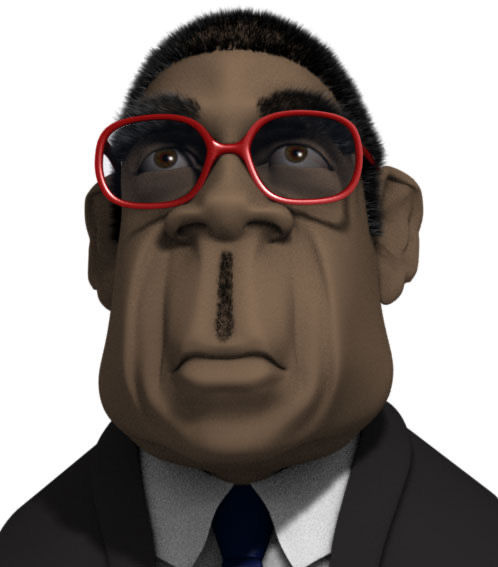
Fellow countrymen, compatriots, and ZANU PF elites, it’s that time again—I rise from the grave to share my unparalleled wisdom and political insights.
My beloved Zimbabwe, once ruled by my iron fist for 37 years, has become an ugly theatre where corruption, chaos, and charisma collide in a spectacle worthy of Netflix or Showmax.
It seems that the young master Ruka Chivende, once promising and now peculiarly powerful, has turned governance into performance art.
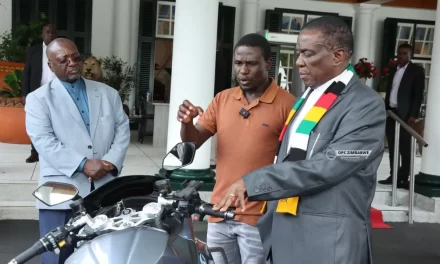
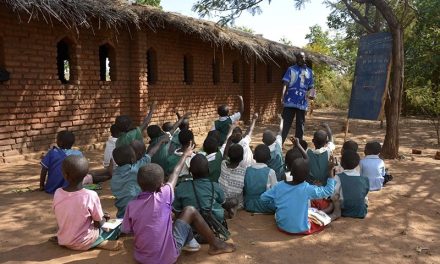
This week alone tested the patience of the living: schoolchildren marched across Zvishavane to fill buses bound for President Emmerson Mnangagwa’s 83rd birthday bash, while Munhumutapa Day became the backdrop for a factional tug-of-war within ZANU PF.
The optics were spectacular: 30,000 villagers, civil servants, and hapless passersby were compelled to celebrate a man whose age remains a puzzle wrapped in political convenience.
Some called it devotion; others called it modern-day corvée.
My people and what of merit in this land of theatrical awards?
Police Commissioner General Stephen Mutamba, barely out of probation, received the Grand Commander of the Zimbabwe Order of Merit.
One wonders if attendance certificates for traffic corruption or roadblock extortion were part of the syllabus.
Zimbabweans reacted online with confusion, outrage, and amusement, questioning whether moral bankruptcy can indeed be formalized.
Meanwhile, the Financial Intelligence Unit uncovered a curious new hub of money laundering: car dealerships.
The principal actor, Chigananda Dumbuzenene Wicknell, seems to have perfected a game of “gift everyone cars while funding nothing.”
Ruka Chivende, ever the strategic impresario, appears to champion this as “trickle-down politics,” while the poor quietly watch the rich feast on vehicles, tenders, and political favour.
Electricity woes continue as if choreographed for national endurance. Hwange Unit 3 is perpetually under maintenance.
Yet, miraculously, every dark corner reveals Victor somewhere, smiling from a billboard or rally stage—a reminder that in Chivende’s theatre, visibility trumps utility.
Then there is the wealth tax, apparently paused amid bureaucratic gymnastics.
My people, this intent is of course noble to ask the rich to pay their fair share.
The execution, however, is a masterclass in procrastination, leaving the country’s coffers emptier than an elderly widow’s fridge in Mbare, still caring for her unemployed 35-year-old son, now hooked on drugs.
On the other hand, the political elite continue to feast on what little trickles down, ensuring inequality remains as baked into society as groundnuts in peanut butter.
From the frosty corridors of Parliament to the scorched fields of Hwange, one lesson emerges: Zimbabwe’s political, economic, and social divides are no longer a backdrop—they are the main stage.
The Second Republic dances between spectacle and scarcity, with Chivende’s genius lying less in governance than in keeping everyone entertained, misdirected, and obediently cheering from the front rows.
In the end, my fellow citizens, the show goes on.
The heat of summer and the heat of absurdity merge, leaving us to wonder whether we are watching a state in crisis or a state rehearsing its next grand performance.
Until next time, Asante Sana.