By Cde Honest Vhura Hombe
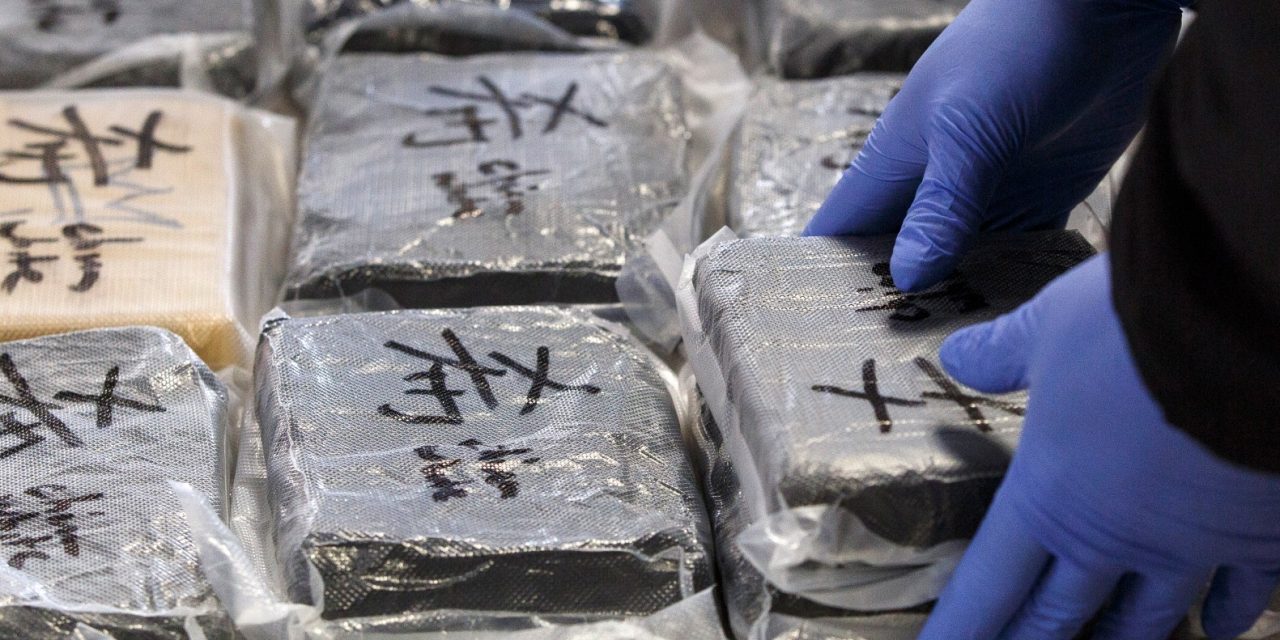
In our beloved teapot shaped country where “Zero Tolerance to Drugs” is plastered across billboards and shouted in rallies, nine Chinese nationals busted with cocaine last week walked out of court with nothing more than a US$150 fine each.
That amount is roughly the price of two goats villagers usually pay for violating Chisi, a sacred day of abstaining from agrarian activities.
It seems that humble village yardstick has now been upgraded into the sentencing guideline for our “all-weather friends.”
True Patriots, you heard that right.
Cocaine in Harare costs the same penalty as angering ancestral spirits in Uzumba.
Meanwhile, a local woman, Christine Chambati, is serving years behind bars for carrying dagga worth less than a decent second-hand weave.
Magistrate Vakayi Chikwekwe solemnly declared that the cocaine was “insignificant.” Which raises the question, insignificant to whom?
Apparently in Zimbabwe, 962 grams of cannabis is enough to sentence a mother of four off to Chikurubi Prison, but over US$1,000 worth of cocaine in the hands of “our all-weather friends” is treated as a minor inconvenience.
Back in November last year and again in early January this year, Chief Jelele of Gwanda’s Garanyemba village was busy fining his people Cattle and goats for violating Chisi, the sacred day of rest from fieldwork.
At the time, villagers accused him of extortion, but perhaps the old man was simply a prophet in his own right.
Little did we know that his “two goat tariff” would one day be adopted in Harare’s magistrates’ courts as the official exchange rate for cocaine possession by our “all-weather friends.”
One can almost picture Magistrate Chikwekwe dusting off Jelele’s village handbook before pronouncing judgment.
The irony here is more pungent than unwashed kombi conductor’s armpits.
16 years ago, in 2008, Zimbabwean women Cynthia Muchero (20), Noeline Sithole (32), and Mildred Kapotsa (35) were sentenced to life in Chinese prisons for drug trafficking.
Their peer, Shirley Rutendo Maengamhuru (27), got 15 years.
Asaria Mushangwe and Lauraine Taapatsa, were given death sentences.
True Patriots you see in China, drugs mean you face a firing squad.
In Zimbabwe, drugs mean you face a receipt and possibly a polite bow from the magistrate.
It’s a tale of two justices.
In Harare, cocaine in the hands of Chinese nationals is just a clerical error.
In Beijing, marijuana in the hands of Zimbabwean women is a national insult punishable by life or death.
Meanwhile, ministers thunder on about a “war on drugs.” Just last week, Oppah Muchinguri announced mandatory 15-year jail terms “without fear or favour.”
But judging by the court ruling, fear and favour are very much alive — just not for Christine Chambati or the youths in Mbare locked up for sachets of mbanje.
On the streets, humour masks the outrage.
One vendor at Copacabana quipped, “So cocaine is cheaper than school fees now?
“Maybe I should just sniff my way through the term,” said the vendor.
Another joked, “At this rate, I’m changing my surname to Li. Clearly, Chikwekwe only respects the Great Wall,” she said.
But here’s the bigger truth: arresting Chinese nationals properly might scare off “investors.”
Right now who wants to compromise the sacred Look East Policy over a few ounces of white powder?
After all, these are the same friends who build our airports, dig up our minerals, and sometimes bankroll our politics.
So Zimbabweans can keep singing: mbanje will earn you a cell, but cocaine will earn you change.
Our women can rot in foreign prisons, while foreigners here can laugh all the way back to the airport.
As the proverb goes, mombe dzemusha dzinorohwa, dzemuvakidzani dzinofudzwa. (The village’s own cattle are beaten, while the neighbour’s are pampered.)