By Cde Bekezela Mkonto kaMthwakazi
From Buhera to Bikita, Goromonzi to Chegutu, Zimbabwe’s mineral wealth is booming—but so is the dust, the chemical spills, and environmental havoc, all happening under the watchful eyes of a government that seems more interested in foreign investment selfies than local survival.
Lithium, diamonds, and cement operations promise prosperity, jobs, and foreign investment. Meanwhile, villagers watch their crops turn into grey dust, rivers taste metallic enough to scare even the bravest hippo, and respiratory ailments rise like an unwelcome national anthem.
Zimbabweans are now in a worse state than before the Chinese started digging—if only the government’s promise of “progress” could be inhaled instead of dust.
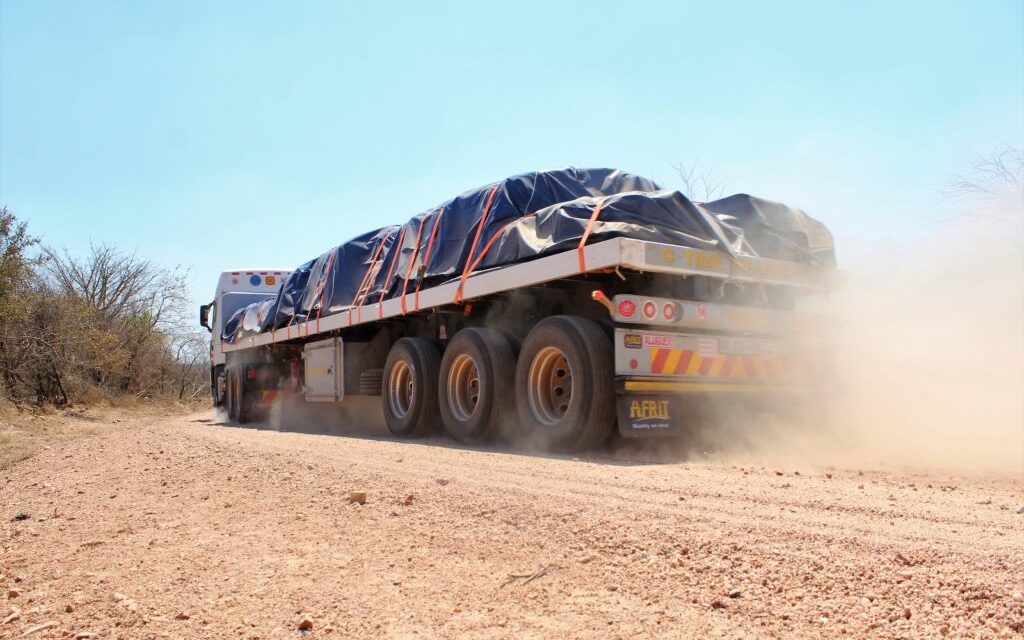
Ore-hauling trucks have become national mascots, rumbling past homes, schools, and grazing fields, leaving clouds of dust that cling like overly enthusiastic relatives at a funeral.
Children walk to school dodging trucks and dust clouds, performing a real-life game of “Will I Make It?”—a version far more hazardous than any video game.
Bikita Minerals, Zimbabwe’s largest lithium mine, leaves chemical spills, contaminated water, and displaced families in its wake.
Goromonzi’s Shengxiang Investments flaunts government shutdown orders as if they were mere suggestions, while Bryden Country School in Chegutu now teaches math and science under a permanent grey haze from a cement plant built a mere 500 metres from its classrooms.
Zimbabwe’s lithium exports jumped from US$70.6 million in 2022 to US$674 million in 2023, largely driven by Chinese investment exceeding US$1.2 billion since 2021.
Meanwhile, villagers inhale mineral-laced air as though it were a new public service introduced by the same officials who also silently approve illegal land desecration and river poisoning.
The ancestral lands, once rich with maize, millet, and spiritual significance, are being bulldozed faster than a politician can promise clean water.
Trees, sacred in both tradition and utility, now gasp under chemical fallout, while rivers whisper their dismay, carrying tales of contamination downstream.
Even rural clinics, supposed havens of health, are losing the battle against dust—nurses flee, and children cough in unison like a dusty choir.
Mitigation measures are laughably symbolic.
Mines sprinkle water occasionally, regulate truck speeds like a traffic cop on tea break, or experiment with molasses dust suppression—tiny gestures that are as effective as trying to bathe a dust storm with a teacup.
Roads remain untarred, fines for environmental breaches are as inconsistent as rainfall in the dry season, and regulators juggle between enforcing the law and wooing foreign investors.
Health crises follow swiftly: tuberculosis, pneumonia, eye infections, failing crops, and cattle weakened by poisoned grazing lands.
Zimbabweans pay the price while the only things flourishing more reliably than dust storms are the secret investments of political elites in the same operations that wreak havoc on their constituents.
From lithium-rich Bikita to diamond fields in Zvishavane and Chiadzwa, to cement and lime factories threatening schools in Chegutu, the pattern is depressingly consistent.
True patriots, it is our communities that bear the environmental cost.
While boardrooms and ministries count profits, and ordinary citizens continue to inhale a toxic blend of dust and broken promises.
Zimbabwe’s mineral boom is a paradox: a source of national wealth that slowly strips life from the very communities meant to benefit.
Dust, chemical pollution, and degraded farmland have become everyday companions.
Rivers whisper warnings of contamination, trees struggle to provide shade, and children navigate mineral-laden roads like obstacle-course champions.
Prosperity for a few comes at the expense of many, with ZANU PF’s nod ensuring the status quo continues.
Across the nation, one question remains: can Zimbabwe pursue mineral wealth without desecrating its land, air, and people?
For now, dust settles thickly over the country—a silent testimony to environmental negligence, political complicity, and the high cost of “progress” that leaves ordinary Zimbabweans gasping in the very air meant to sustain them.