By Cde Bekezela Mkonto kaMthwakazi
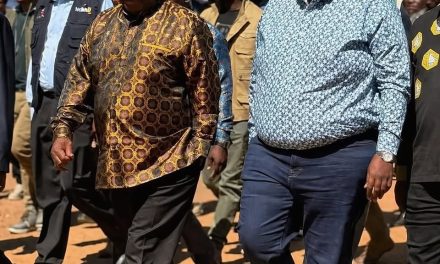
Senior leaders of Southern Africa’s former liberation movements convened in Johannesburg for what was officially titled the “Liberation Movements Summit.”
However, critics and disillusioned citizens across the region, from policy analysts to the streetwise gogo in Mbare, viewed the gathering as little more than a strategic conclave on how to entrench power and protect long-standing privileges under the guise of defending revolutionary gains.
From ZANU PF to ANC, from FRELIMO to SWAPO, CCM to MPLA, the class of 1975-1980 strutted in like ageing rockstars reuniting for one last looting tour.
Donning expensive suits probably tailored in Milan but preaching anti-imperialism, these revolutionaries-turned-reactionaries vowed to “defend liberation gains” — a phrase now widely understood to mean defend ill-gotten wealth, offshore accounts, gold smuggling syndicates, and unexplained farm acquisitions.
Zimbabwe’s very own Bishop of Boreholes and Patron Saint of Command Agriculture, Ruka Chivende, opened the summit with a fire and brimstone sermon lifted straight from Frantz Fanon’s Pitfalls of National Consciousness, though carefully misread for maximum hypocrisy.
“We must retain power to advance the people’s agenda,” thundered Mnangagwa, whose police were, at that very moment, advancing a protestor’s face into the pavement in Harare. “We are people-centred mass movements,” he proclaimed, while in Chiadzwa, the people-centred movement was busy mining diamonds the people will never see.
Mnangagwa then praised his borehole diplomacy, where each of Zimbabwe’s 35,000 villages is promised one borehole, one ribbon-cutting ceremony, and zero maintenance plans. Rural voters, weary from poverty but hydrated with false promises, remain central to this new model of “liquid empowerment.”
ANC’s Cyril Ramaphosa chimed in with calls for “economic emancipation,” conveniently ignoring the ANC’s recent electoral spanking that left it hobbling into a coalition. South Africans, it seems, are tired of “liberation” being delivered with Eskom blackouts, potholes, and cabinet reshuffles that look like WhatsApp group admin wars.
Meanwhile, South Africa’s own Zondo Bible on state capture continues gathering dust, with ANC leaders skipping court dates the same way they skip potholes on their way to summits like these.
Mozambique’s FRELIMO came bearing news: it’s not corruption, poverty, or post-cyclone neglect causing unrest — it’s “foreign puppet masters” spreading disinformation via AI. AI, comrades!
Meanwhile, 400 Mozambicans died in post-election chaos, but apparently, it’s all a Western X (formerly) and TikTok conspiracy.
President Chapo warned against “regime change,” which is dictator-speak for “don’t vote us out.”
He urged liberation parties to unite, not against poverty or hunger, but against “far-right populists” — code for any opposition party with more than five followers and the audacity to promise clean governance.
Angola’s MPLA, with its record of turning oil wealth into personal estates, nodded approvingly while Tanzania’s CCM, once a beacon of Nyerere socialism, now resembles a retirement club for patronage architects.
SWAPO’s delegation, recently accused of fishy business in the infamous Fishrot scandal, came for solidarity and perhaps to learn new ways of deflecting from corruption charges using liberation nostalgia and Pan-Africanist emojis.
If Fanon had risen from the grave, he might have stormed the summit screaming, “This is exactly what I warned you about!”
In The Pitfalls of National Consciousness, he warned of elites who hijack revolutions only to sit where the coloniser sat — same Mercedes, same mansions, new anthem.
Today, the liberation parties are like chicken thieves wearing liberation war medals: always invoking the ancestors, yet plundering the living.
As youth across the region rise — from South Africa’s EFF and Mozambique’s restless urbanites — the script is changing.
Liberation slogans are now punchlines, and the “colossal parties” are beginning to look like bloated relics.
As the summit ends and the catered leftovers are boxed for plane rides home, the true question remains: who are these liberation movements liberating now?
Certainly not the jobless youth, the flooded villagers, or the overtaxed vendors.
For now, the comrades march on, chanting “Amandla!” while holding the keys to Swiss bank accounts, not shack doors. As they toast to “victory is certain,” the people whisper: “But not yours.”